


Broadband Internet access is essential in the modern age, yet too many rural Canadians live without it. We’re helping to bring reliable high-speed Internet to every community across Canada.

Legal cannabis is now produced, sold and consumed in our cities and communities. We advocate for tools that help keep all Canadians safe and well served in this new environment.

Scaling up local green innovation is the key to tackling climate change. We help communities become more sustainable and better prepared for extreme weather.
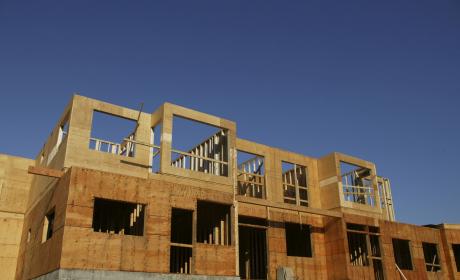
Housing is the bedrock of livable and prosperous communities. We advocate for action on social and affordable housing so all Canadians have a decent place to call home.

Canada works better when everyone can achieve their potential. We help build inclusive communities that ease the economic and social barriers people face in their everyday lives.

Partnership and reconciliation are key to strengthening Canada’s relationship with Indigenous communities. We work to create positive opportunities for Indigenous-municipal collaboration.

Local governments own approximately 60 percent of the public infrastructure that supports our economy and quality of life. Through advocacy and support, we help them build a stronger Canada.

Municipal governments are key players on the international stage. We build strong global partnerships and bringing local, Canadian expertise to countries around the world.

As Canada’s population grows, so too does the need for healthy, equitable, and thriving communities. We need a new Municipal Growth Framework—an innovative revenue tool that grows with the economy and redefines the way we engage across orders of government.

Cities and communities are on the front lines of the opioid crisis, working to stop overdose deaths. We're leading the call for a coordinated national response by all orders of government.

Municipalities help keep Canadians safe and secure. We work to ensure that they have the right tools to protect Canadians from crime, health risks and emergencies.
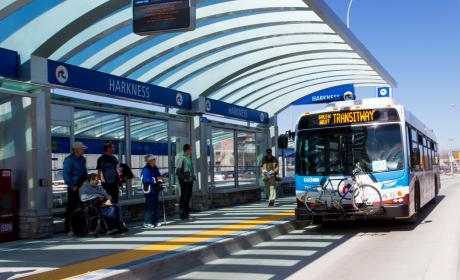
Public transit is the backbone of livable, competitive and sustainable cities. We're shaping groundbreaking federal investments to kick-start the next era of world-class public transit in Canada.

Transporting dangerous goods by rail can put communities at risk. We work alongside the federal government to ensure municipalities are equipped to respond to rail emergencies and keep Canadians safe.
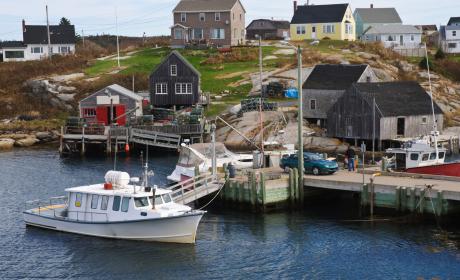
Rural, northern and remote communities are integral to Canada’s economy and quality of life. With our advocacy and support, their local governments are building a brighter future.

Municipal leaders know the importance of connectivity for their communities’ economic, cultural and social development.

FCM’s Western Economic Solutions Taskforce unites western municipal leaders to find solutions for struggling communities—while bringing western municipal voices to Ottawa.
Looking to understand our programming?
Our programs are created around our focus areas. Each of our programs offer resources including training, funding or other support. You can browse our focus areas to find a program that fits your needs.
Looking for funding opportunities?
We may be able to fund part of your innovative, sustainability-related municipal project. We fund plans, studies, pilot projects, capital projects and more.